



The Future of Ghana’s Digital Transformation Journey
Ghana’s digital transformation has evolved from isolated ICT projects into a coordinated national agenda. As the country navigates the 2020s and looks toward 2030 and beyond, digitalization is no longer a technological upgrade but a foundational driver of economic restructuring, social inclusion, and governance modernization. The future of this journey will be shaped by strategic foresight, sectoral integration, and inclusive implementation.
Strategic Framework: From Vision to Execution
Ghana’s digital trajectory is anchored in the Digital Ghana Agenda and the emerging National Digital Transformation Strategy (2023–2030), which emphasize five pillars:
- Digital Infrastructure (broadband, cloud, data centers)
- Digital Government (e-services, interoperable systems, digital ID)
- Digital Economy & Innovation (fintech, startups, digital trade)
- Digital Skills & Literacy (education, reskilling, gender inclusion)
- Digital Regulation & Security (data protection, cybersecurity, ethical AI)
Future strategic imperatives will include:
- Regulatory agility: Establishing sandboxes for fintech, AI, and healthtech to balance innovation with consumer protection.
- Data governance: Operationalizing the Data Protection Act with clear cross-border data flow rules aligned with AfCFTA and AU frameworks.
- Public-Private Partnerships (PPPs): Leveraging private capital for 5G rollout, smart city infrastructure, and rural broadband expansion.
- Digital taxation policy: Learning from the e-levy experience to design revenue models that fund digital public goods without stifling inclusion.
- Regional leadership: Positioning Ghana as West Africa’s digital trade and innovation hub under the AfCFTA Digital Trade Protocol.
Sectoral Transformation: Where Digitalization Will Reshape Ghana
SECTOR
CURRENT STATE
FUTURE TRAJECTORY (2025–2035)
Government & Public Services
AI-driven policy simulation, predictive service delivery, automated compliance, real-time performance dashboards for MDAs
Finance & Fintech
MoMo interoperability, digital banking, agent networks
Open banking APIs, AI credit scoring, blockchain remittances, regulatory-compliant digital assets, financial inclusion for informal sector
Agriculture
Digital extension apps, drone mapping, e-voucher systems
Climate-smart agri-tech, IoT soil/weather sensors, blockchain traceability for export crops, AI yield forecasting
Healthcare
EMR pilots, telemedicine, health insurance digitization
National health data exchange, AI diagnostics support, wearable remote monitoring, predictive disease outbreak modeling
Education & Skills
E-learning platforms, digital literacy campaigns, smart school pilots
AI personalized tutoring, competency-based digital credentials, edtech startup ecosystems, VR/AR vocational training
Trade & Logistics
Smart logistics corridors, cross-border digital payments, AI-driven supply chain optimization, AfCFTA digital trade compliance
Ghana Digital Transformation & Tech Innovations
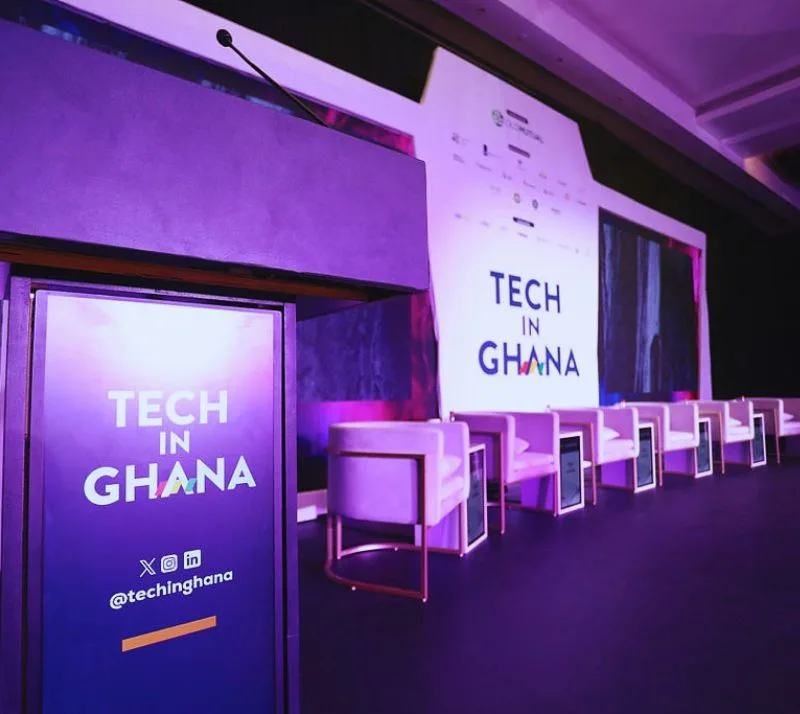
Ghana is a leading digital innovator in West Africa. Key efforts include the Ghana Card national digital ID system. Other efforts include mobile money interoperability, the Digital Ghana Agenda and and AI-driven public services, positioning the nation as a West African digital hub. With thriving startups, expanding broadband, and forward-looking policies, Ghana is turning tech into a catalyst for inclusive growth, governance transparency, and economic resilience. Together, these efforts improved public services, financial inclusion, and e-governance. The country's thriving tech ecosystem, anchored by hubs like Accra's "Silicon Savannah," fintech pioneers, and government-backed platforms like Ghana.gov, positions Ghana as a regional leader poised to leverage artificial intelligence, blockchain, and smart infrastructure to accelerate economic growth and inclusive development.
Transformative Future Impact: Economic, Social, and Governance Dimensions
Economic Impact
- GDP acceleration: Digital sectors could contribute 10–15% to GDP by 2030, driven by fintech, e-commerce, and digital services exports.
- Formalization & job creation: Digital platforms will bring informal workers into the tax and social protection net while creating high-value tech jobs.
- FDI & startup growth: Ghana’s stable regulatory environment and English-speaking talent pool will attract regional tech hubs, venture capital, and BPO investments.
Social Impact
- Inclusive access: Targeted digital literacy programs and subsidized connectivity will narrow urban-rural and gender divides.
- Youth empowerment: Over 60% of Ghana’s population is under 25; digital entrepreneurship and remote work will absorb demographic pressure.
- Service equity: Telemedicine, e-learning, and mobile government will improve access for marginalized communities.
Governance Impact
- Transparency & accountability: Automated revenue collection, open data portals, and blockchain audit trails will reduce leakage and corruption.
- Data-driven policymaking: Real-time analytics will enable evidence-based budgeting, crisis response, and urban planning.
- Citizen engagement: Digital feedback loops, participatory budgeting apps, and AI chatbots will deepen democratic participation.
Strategic Roadmap for Sustainable Digital Transformation
- Accelerate Infrastructure: Deploy 5G strategically, expand fiber backbones, and leverage universal service funds for rural connectivity.
- Scale Human Capital: Integrate digital literacy into basic education, launch national reskilling programs, and incentivize women in STEM.
- Strengthen Data & Cyber Governance: Operationalize a national cybersecurity operations center, enforce data localization where necessary, and adopt ethical AI guidelines.
- Foster Innovation Ecosystems: Expand tech hubs, create venture capital matching funds, and implement regulatory sandboxes for emerging tech.
- Drive Interoperability: Ensure all government and private digital systems communicate via open APIs, anchored by the Ghana Card as a trusted digital identity.
- Measure & Adapt: Establish a National Digital Transformation Dashboard with independent audits, citizen feedback mechanisms, and agile policy reviews.
- Lead Regionally: Champion AfCFTA digital trade standards, cross-border data agreements, and West African digital payment interoperability.
Critical Challenges & Enablers
Challenges
Enablers
Rural broadband & power reliability gaps
Strong political commitment & Ministry of Communications & Digitalisation leadership
Digital literacy & skills mismatch
Vibrant startup ecosystem (MEST, Ghana Tech Lab, iSpace)
Cybersecurity & data privacy risks
High mobile penetration & digital payment adoption
Regulatory fragmentation & policy lag
International partnerships (World Bank, EU, AU, GIZ)
Funding constraints for scale
Youth demographic dividend & diaspora tech networks
Conclusion: The Digital Inflection Point
Ghana stands at a critical juncture. The foundations are laid: digital ID, e-government platforms, mobile money interoperability, and a growing tech talent pool. The next decade will determine whether Ghana becomes a digitally empowered, innovation-driven economy or struggles with fragmented implementation and exclusion.
Success will not come from technology alone, but from strategic coherence, inclusive design, and institutional agility. If Ghana aligns its digital strategy with human development, regional ties, and sustainable governance, it can skip old roadblocks. It can also become West Africa’s digital leader. The future belongs to those who harness technology not just for efficiency, but for equity, resilience, and shared prosperity.
Ghana’s digital journey is no longer about catching up. It’s about leading forward.